
Healthcare
Nov 10, 2025
Healthcare
Nov 10, 2025
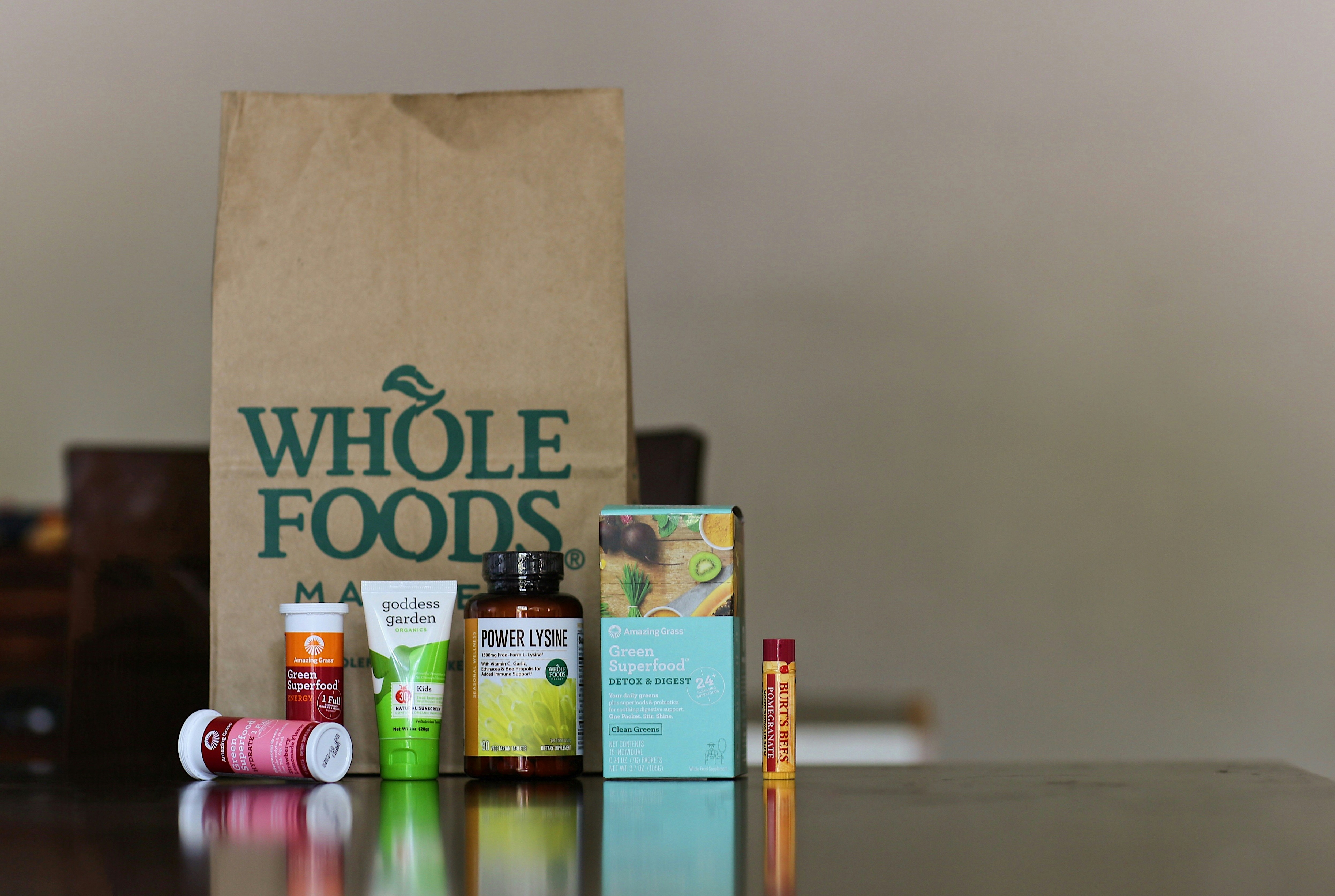
As unemployment rises and health insurance evaporates, millions are turning to vitamins and herbal remedies as a lifeline
WASHINGTON — When unemployment strikes, health insurance often disappears within 30 days. For the approximately 55 percent of Americans who receive coverage through their employers,[1] job loss means immediate loss of access to regular medical care.
This sets off a documented pattern: people delay doctor visits, skip prescriptions, and turn to the supplement aisle as an affordable alternative to the traditional healthcare system.
The dynamic isn't speculation—it's a well-established economic cycle. As unemployment is projected to reach 4.5 percent by late 2025 according to Federal Reserve projections,[2] and potentially climb to 5.2 percent by early 2026 according to some forecasts,[3] the stage is set for another surge in supplement sales.
The numbers are stark. In August 2025, the unemployment rate stood at 4.3 percent.[4] For those who lose their jobs, the short-term unemployed face particularly severe coverage gaps: between 34 and 41 percent lack insurance or a regular primary care provider.
The Congressional Budget Office projects that 10 million additional people will be uninsured by 2034 due to recent policy changes, with 7.5 million losing Medicaid coverage and 2.1 million losing Marketplace coverage.[5] Even in 2024, 27.1 million Americans were uninsured—8.2 percent of the population.[6]
If enhanced Affordable Care Act premium tax credits expire as scheduled at the end of 2025, an additional 4.8 million people could lose coverage in 2026,[7] pushing the total number of newly uninsured to over 14 million in the coming years.
Without insurance, nearly one-third of people delay doctor visits due to cost. Healthcare costs continue climbing, with a projected 9.2 percent increase in 2025, making the gap between need and access even wider.
The natural supplement industry has proven remarkably recession-resistant. During the 2008 financial crisis—when unemployment hit 10 percent—supplement sales didn't crater. They surged.
From 2007 to 2011, U.S. supplement sales grew from $24 billion to $30 billion, reflecting an annual growth rate of approximately 6 percent even as the broader economy contracted.[8] Market analyst IRI reported that supplement sales were up 8 percent in the period ending December 2008 compared to the year before.[9]
A 2009 survey found that 75 percent of U.S. consumers continued buying supplements during the recession, with 65 percent actively taking them—unchanged from pre-recession levels.[10]
The appeal is straightforward economics. A monthly supply of magnesium, omega-3s, or stress-relief formulas costs $10 to $30—a fraction of a single doctor's visit. Among the uninsured, between 45 and 55 percent report turning to supplements for prevention, particularly vitamins for immune support and herbal remedies for stress management.
The pattern held during more recent economic uncertainty. Despite inflation pressures in 2022-2023, the supplement market continued growing, with consumers choosing to trade down to store brands or buy on promotion rather than abandon supplements entirely.[11]
Enter Replenish NutrAI's Clinical GPS technology, which addresses a longstanding problem in the supplement industry: consumers have no reliable way to distinguish evidence-based products from empty marketing claims.
The system allows users to photograph supplement labels, then cross-references ingredients against clinical trial databases to identify products with peer-reviewed evidence. It tracks manufacturing batch numbers and alerts users to verified products available in their areas—essentially bringing scientific rigor to an industry that has historically operated with minimal regulation.
The timing aligns with documented consumer behavior. The 19-to-25 age group, where 14.3 percent are now uninsured, shows particularly high supplement usage at 55 percent compared to 40 percent among insured peers. But they're also skeptical of unproven claims—they want evidence, not marketing.
The company's model—free basic scanning with a $7.99 monthly subscription for personalized recommendations—positions itself as affordable guidance at a time when traditional medical care is increasingly out of reach.
The pattern is clear in the data: economic downturns drive healthcare avoidance, which increases supplement reliance, which creates market opportunities for companies offering evidence-based alternatives.
During the Great Recession, financially strapped consumers turned to supplements hoping to prevent expensive medical treatments down the road. The same dynamic appears to be unfolding now, amplified by pandemic-era shifts that have normalized self-directed health management and expanded acceptance of supplements for broader conditions beyond basic vitamins.
Market forecasters predict a 20 percent increase in evidence-based supplement sales by the second quarter of 2026 if ACA subsidies lapse as scheduled.[12] The global dietary supplement market, valued at $178.82 billion in 2023, is projected to reach $380.12 billion by 2032, reflecting an 8.8 percent compound annual growth rate.[13]
In states with high unemployment and high uninsured rates—California and Texas, where uninsured rates reach 16 to 20 percent—the pattern is especially pronounced. Community health clinics report fewer patients for preventive care while pharmacies report brisk supplement sales.
The supplement boom represents both an entrepreneurial opportunity and a policy failure. While some products have legitimate preventive benefits supported by clinical research, the shift reflects millions of Americans being priced out of the healthcare system and forced to self-medicate with over-the-counter alternatives.
As millions more Americans lose health coverage in the coming years, the question is whether technology and innovation can provide meaningful guidance in self-directed care, or whether the supplement boom is simply masking a deeper crisis in how America delivers healthcare to its most economically vulnerable.
The future of logistics is green, connected, and intelligent. As we move through 2025, the focus on sustainability will continue to grow — turning innovation into impact. By investing in clean technologies, circular systems, and digital transformation, logistics leaders can drive progress toward a more sustainable and resilient global supply chain.